
Why hair thinning happens
Hair loss can feel sudden, but it usually builds over time. Some people notice a wider parting, a receding hairline, or extra hair on the pillow. The causes can be different for everyone. Genetics, stress, hormonal changes, poor nutrition, thyroid problems, and certain medical conditions can all play a role.
The first step is not guessing. It is understanding what is actually causing the shedding or thinning. That is why a proper scalp check and medical evaluation matter so much. If you are exploring hair loss treatment in Dubai, you will usually find clinics that focus on diagnosis first and treatment second. That approach gives people a better chance of getting real results.
What makes Dubai a practical place for care
Dubai has become a strong option for people who want hair restoration with experienced medical support. Clinics in the city often use modern methods, clear treatment plans, and follow-up care that helps patients stay on track. For locals and visitors alike, that combination is useful because hair loss is rarely solved in one quick step.
Another benefit is variety. Some people need medicines. Others do well with scalp injections or light-based therapy. A smaller group may need a transplant. In Dubai, it is usually possible to find a plan that matches the stage of hair loss instead of forcing everyone into the same treatment.
Non-surgical options that can help
Not every case needs surgery. In fact, many people start with non-surgical care first.
PRP therapy
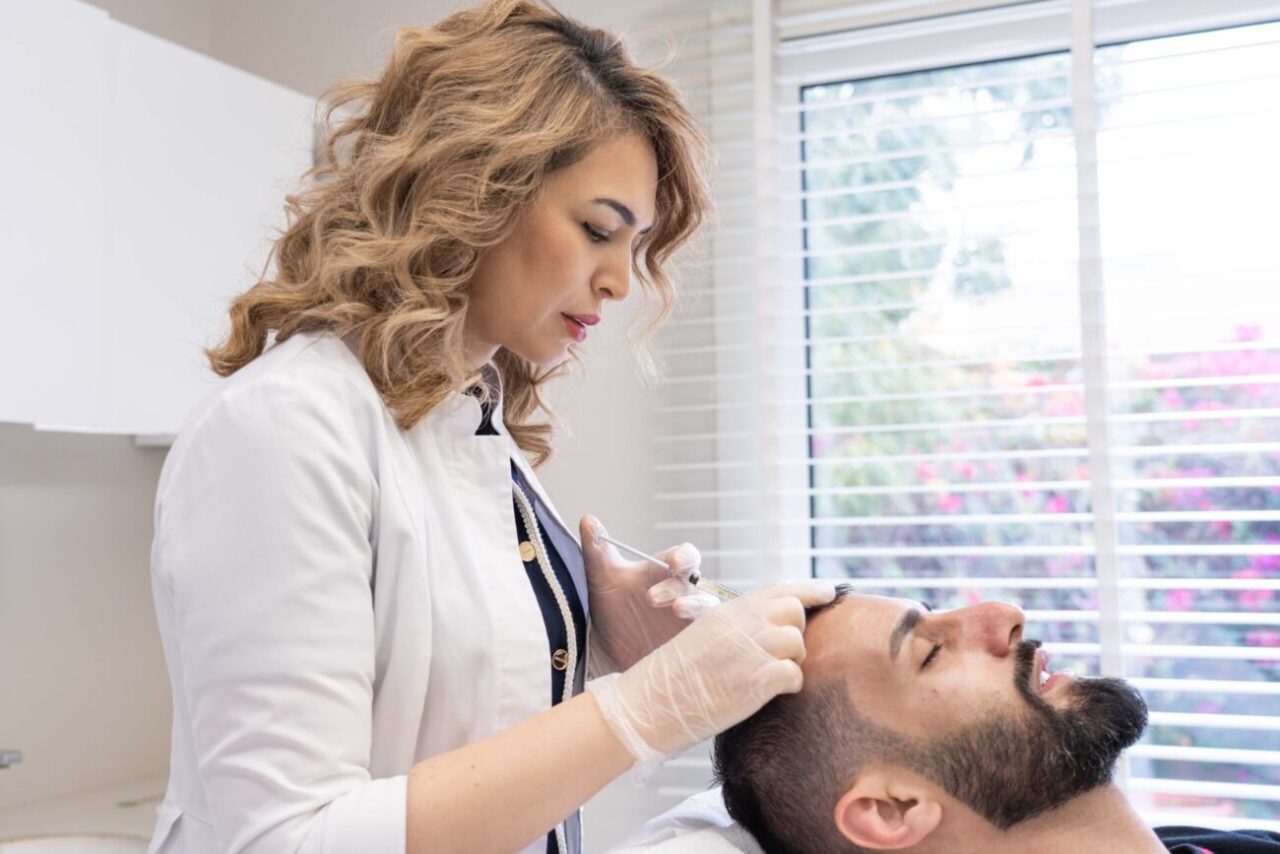
PRP, or platelet-rich plasma, uses a small sample of your own blood. The platelet-rich part is prepared and then injected into the scalp. The goal is to support weaker follicles and improve hair thickness. It is a popular option for early thinning and mild to moderate hair loss.
Mesotherapy
Mesotherapy places vitamins, minerals, and other nourishing ingredients directly into the scalp. The idea is to support the follicle environment and help the hair grow in a healthier way. It is often used alongside other treatments.
Low-level laser therapy
This option uses gentle light to stimulate the scalp. It is painless and can be done in clinics or sometimes at home with approved devices. It is usually better for people who still have active follicles and want to slow further thinning.
Medications
Some patients respond well to medical treatment such as minoxidil or finasteride. These are common choices for certain types of genetic hair loss. They do not work the same way for everyone, so medical guidance is important before starting.
When a hair transplant may be needed
If the follicles are already gone in certain areas, non-surgical treatment may not be enough. That is when a transplant can make sense. Techniques such as FUE and DHI move healthy follicles from one part of the scalp to thinner or bald areas.
This is not an instant fix. New growth takes time, and the results appear gradually over several months. Still, for the right candidate, it can create a natural-looking improvement that lasts a long time.
What recovery is usually like
Recovery depends on the treatment chosen. Non-surgical procedures usually involve little to no downtime. Some redness or mild discomfort may happen, but most people return to normal routines quickly.
Transplant recovery takes longer. There can be swelling, scabbing, and temporary shedding before the new growth begins. That part can worry people, but it is often part of the normal process. Patience matters here.
Choosing the right clinic
A good clinic should not rush you into treatment. It should look at your scalp, your medical history, and the pattern of your hair loss before recommending anything. That is a sign the clinic is thinking about your long-term result, not just a quick sale.
It also helps to ask about the doctor’s experience, before-and-after results, and follow-up support. Hair restoration works best when the treatment plan is specific to the person, not generic.
A realistic way to think about results
Hair restoration is not magic. It is a process. Some treatments slow hair loss. Some improve thickness. Some restore areas that have already become bare. The best outcome usually comes from matching the treatment to the real cause of the problem.
If you are dealing with thinning hair, Dubai offers a wide range of options, from basic medical care to advanced restoration methods. With the right evaluation and a plan that fits your needs, it is possible to move toward fuller, healthier-looking hair with more confidence.