
Empathy is more than just understanding the feelings of others—it is about connecting deeply, listening intentionally, and leading with a human-first approach.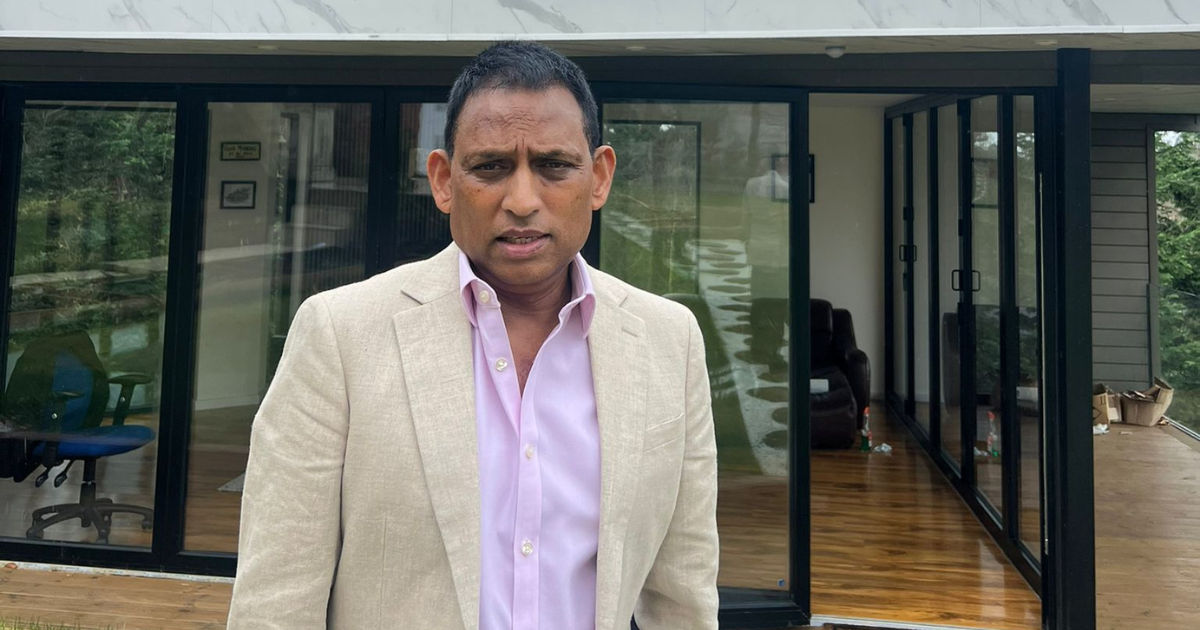
Sheth Jeebun has emerged as a leader who embodies empathy not only as a value but as a practical tool in decision-making, team management, and organizational growth. By practicing empathy in leadership, Sheth Jeebun has created workplaces that are compassionate, innovative, and resilient.
Empathy in leadership requires more than occasional acts of kindness. It demands a consistent, conscious effort to understand employees, patients, stakeholders, or team members as complete human beings.
Sheth Jeebun demonstrates that leadership grounded in empathy is not only ethical but also highly effective in achieving organizational goals.
In this comprehensive guide, we will explore how Sheth Jeebun practices empathy in leadership, the strategies employed, challenges overcome, and the transformative results of empathetic leadership.
The Foundations of Empathy in Leadership
Empathy in leadership begins with self-awareness. Sheth Jeebun prioritizes understanding his own emotions, biases, and thought patterns before attempting to understand others. This self-awareness allows for authentic engagement and avoids superficial gestures that can undermine trust.
A key aspect of empathetic leadership is active listening. Leaders who listen attentively can identify the unspoken concerns, motivations, and aspirations of their teams. Sheth Jeebun spends significant time in one-on-one interactions, ensuring that employees feel heard and valued. By creating a safe space for dialogue, he encourages openness, which fosters trust and collaboration.
Another foundational principle is emotional intelligence. Sheth Jeebun integrates emotional intelligence into every aspect of his leadership. Understanding the emotional dynamics of a team enables him to anticipate conflicts, mediate effectively, and provide support where needed.
Leading by Example
One of the most powerful ways to practice empathy in leadership is by leading by example. Sheth Jeebun demonstrates behaviors that reflect empathy consistently, creating a culture where team members feel empowered to mirror these behaviors.
He actively acknowledges the contributions and challenges of his team. Recognition is not merely about praising achievements but also validating effort and acknowledging struggles. Sheth Jeebun understands that people perform best when they feel understood and appreciated.
Additionally, Sheth Jeebun practices transparency in communication. Empathy in leadership does not mean shielding teams from difficult information; it means delivering information with sensitivity and clarity. This approach ensures that employees are informed, prepared, and supported, even in challenging circumstances.
Empathy in Decision-Making
Empathy plays a crucial role in decision-making. Leaders often face complex choices that affect individuals and teams. Sheth Jeebun employs a human-centered approach, considering the emotional and practical impact of decisions on those involved.
Before making significant decisions, Sheth Jeebun engages in consultation and feedback loops. He seeks perspectives from multiple stakeholders, understanding that each viewpoint carries valuable insight into how decisions will affect people. This inclusive approach ensures that decisions are fair, balanced, and considerate.
Moreover, empathy allows leaders to anticipate resistance and address it constructively. Sheth Jeebun leverages empathy to communicate changes effectively, ensuring that transitions are smoother and that team morale remains high.
Building a Culture of Empathy
Creating an empathetic organization requires more than individual effort—it demands systemic change. Sheth Jeebun is committed to building a culture where empathy is embedded in policies, practices, and everyday interactions.
Training programs under his leadership often focus on emotional intelligence, communication skills, and active listening. By equipping employees with the tools to practice empathy themselves, Sheth Jeebun amplifies its effect throughout the organization.
Moreover, recruitment and onboarding processes reflect his empathetic leadership style. Candidates are evaluated not only for technical competence but also for emotional awareness and the ability to collaborate effectively. This ensures that the organizational culture remains consistent as it grows.
Empathy and Team Engagement
Engaged teams are more productive, creative, and resilient. Sheth Jeebun understands that empathy is directly linked to engagement. By recognizing the human needs of employees, from work-life balance to professional development, he fosters loyalty and motivation.
Regular feedback sessions, mentorship programs, and flexible work arrangements are some of the ways Sheth Jeebun ensures employees feel valued and supported. He emphasizes the importance of understanding individual challenges and providing tailored solutions rather than one-size-fits-all policies.
Handling Conflicts with Empathy
Conflict is inevitable in any organization, but how leaders manage it can define workplace culture. Sheth Jeebun addresses conflicts with empathy by first understanding the underlying emotions and perspectives of all parties involved.
Rather than focusing solely on rules or outcomes, he prioritizes restoring trust and collaboration. This approach often transforms potential disputes into opportunities for learning, growth, and stronger relationships.
Empathy in Healthcare and Service
In contexts like healthcare, where Sheth Jeebun has experience, empathy becomes even more critical. Patients, families, and care teams experience high levels of stress, uncertainty, and vulnerability. An empathetic leader can bridge these gaps by understanding emotions, anticipating concerns, and facilitating clear communication.
Sheth Jeebun models empathy by prioritizing patient-centered care, supporting care teams, and advocating for policies that consider both clinical and emotional needs. This holistic approach enhances outcomes, builds trust, and fosters a sense of community among healthcare professionals and patients alike.
The Role of Feedback in Empathetic Leadership
Feedback is a two-way street in empathetic leadership. Sheth Jeebun not only provides constructive feedback in a compassionate manner but also actively seeks feedback about his leadership style.
By asking for input, he demonstrates humility and a willingness to grow. This practice strengthens relationships and encourages a culture where everyone feels their voice matters.
Empathetic feedback focuses on behavior and impact rather than personal judgment. Sheth Jeebun ensures that feedback empowers rather than discourages, promoting continuous learning and improvement across the organization.
Challenges in Practicing Empathy
While the benefits of empathetic leadership are clear, implementing it consistently comes with challenges. Time constraints, organizational pressures, and diverse perspectives can make empathy difficult to practice.
Sheth Jeebun navigates these challenges by prioritizing empathy as a non-negotiable leadership principle. He sets aside time for listening, reflection, and engagement, ensuring that empathy is integrated into decision-making rather than treated as an afterthought.
Additionally, he recognizes that empathy does not mean agreeing with everyone. It involves understanding perspectives, validating feelings, and making balanced decisions that serve the collective good.
Measuring the Impact of Empathetic Leadership
Empathetic leadership has tangible and intangible benefits. Sheth Jeebun observes improved employee retention, increased engagement, and higher levels of innovation as a result of empathetic practices.
Employee satisfaction surveys, feedback mechanisms, and organizational performance metrics help quantify the impact. More importantly, qualitative outcomes like stronger relationships, trust, and a positive organizational climate reflect the deep value of empathy in leadership.
Empathy and Innovation
Empathy also fuels innovation. By understanding the experiences, needs, and frustrations of employees, clients, or patients, Sheth Jeebun identifies opportunities for improvement and creativity.
Innovative solutions often emerge from leaders who can place themselves in the shoes of others. Sheth Jeebun encourages a culture where empathetic insight informs product development, service design, and problem-solving, leading to meaningful and user-centered innovations.
Sustaining Empathy Over Time
Empathy is not a one-time effort; it requires continuous practice and reinforcement. Sheth Jeebun sustains empathy in leadership by embedding it into routines, rituals, and organizational norms.
Regular check-ins, reflective practices, and recognition of empathetic behaviors help maintain momentum. By modeling empathy consistently, Sheth Jeebun ensures that it becomes a permanent feature of the organizational culture.
Conclusion
Empathy in leadership is transformative. Through his consistent practice, Sheth Jeebun demonstrates that leadership grounded in understanding, compassion, and human connection can drive both ethical and operational success. From decision-making to conflict resolution, team engagement to healthcare management, his approach highlights the power of seeing and valuing people as complete human beings.
By prioritizing empathy, Sheth Jeebun not only creates more effective organizations but also fosters workplaces where trust, respect, and collaboration thrive. His model serves as a guide for leaders seeking to make a meaningful difference, proving that empathetic leadership is not just a moral choice—it is a strategic one.
Empathy is a skill, a mindset, and a culture. Leaders like Sheth Jeebun remind us that by understanding and valuing the people we lead, we can create organizations that are resilient, innovative, and genuinely human-centered.